Updated February 2026
Fuel is one of the biggest variable costs in courier operations. For small and growing delivery teams, even small improvements in routing and driving efficiency can translate into meaningful savings over time. This is where AI in courier services makes a real, practical difference. Instead of relying on static routes and manual planning, AI helps optimize routes, adapt to real-world conditions, and reduce wasted miles—directly lowering fuel consumption.
Industry analysis shows that last-mile delivery faces persistent inefficiencies due to congestion, fragmented routes, and stop density challenges, which makes data-driven route optimization one of the most effective levers for reducing operating costs and emissions (TechTarget, 2024). Platforms like Koorier apply these principles to help courier services improve fuel efficiency while maintaining delivery speed and reliability.
How AI Cuts Fuel Use — the practical levers
1) Smarter route optimization: fewer miles, less fuel
AI sequencing of stops and clustering can reduce total distance driven by planning routes that minimize empty driving and avoid inefficient stop orderings. Academic and applied studies show substantial fuel savings when route selection prioritizes fuel efficiency, not just shortest time or distance. (ScienceDirect study on fuel-optimized routing).
2) Real-time re-routing around traffic and delays
Traffic congestion and unexpected delays are huge sources of wasted fuel (idling, stop-start driving). AI systems that feed live traffic and operational data into routing engines can re-route drivers away from slowdowns, reducing both time and fuel waste. Field reports and industry summaries show major carriers cut millions of gallons of fuel via smarter, analytics-driven routing. (See UPS ORION summaries above and industry writeups.)
3) Higher stop density: more deliveries per mile
AI helps group deliveries more tightly by geography and time window, increasing stop density and reducing empty miles between drops. Higher density means lower fuel per package, which is critical to making local and same-day deliveries economical.
4) Fewer failed deliveries and repeat trips
Every failed delivery often requires at least one additional attempt — doubling fuel for that package. Predictive ETAs and proactive customer notifications (powered by AI and orchestration platforms) raise first-attempt success and cut repeat trips.
5) Smarter vehicle and load assignment
AI can assign the most appropriate vehicle to each route (e.g., smaller vans for dense urban clusters, larger vehicles where consolidation is better), improving load utilization and reducing fuel wasted on underloaded runs.
Where fuel savings add up most
Quick steps you can take today (no heavy investment)
- Measure fuel per delivery, not just total fuel.
- Compare planned vs actual distance on daily routes.
- Use a route-optimization tool (even basic optimization reduces miles).
- Improve customer communication to reduce failed attempts.
- Right-size vehicle selection and packaging to avoid wasted capacity.
How Koorier Helps Courier Services Save Fuel (and Reduce Emissions)
Reducing fuel consumption isn’t just about smarter routes—it’s also about how deliveries are physically executed on the road. Koorier helps courier services and local delivery teams lower fuel costs through a combination of delivery optimization technology and a fully electric delivery fleet.
Smarter Routes = Fewer Kilometers Driven
Koorier’s delivery orchestration platform focuses on reducing unnecessary driving by:
- Optimizing routes to minimize total distance
- Sequencing stops to reduce backtracking
- Adapting routes in real time when traffic or delays occur
- Increasing delivery density so each trip completes more stops
This directly lowers fuel usage for courier partners that operate combustion vehicles—and reduces energy consumption overall for electric fleets.
Fewer Failed Deliveries = Fewer Repeat Trips
Every missed delivery attempt creates another trip. Koorier improves first-attempt delivery success through more accurate ETAs and better customer communication, reducing repeat visits and unnecessary driving. Fewer trips mean lower fuel consumption and lower operating costs.
A 100% Electric Vehicle (EV) Delivery Fleet
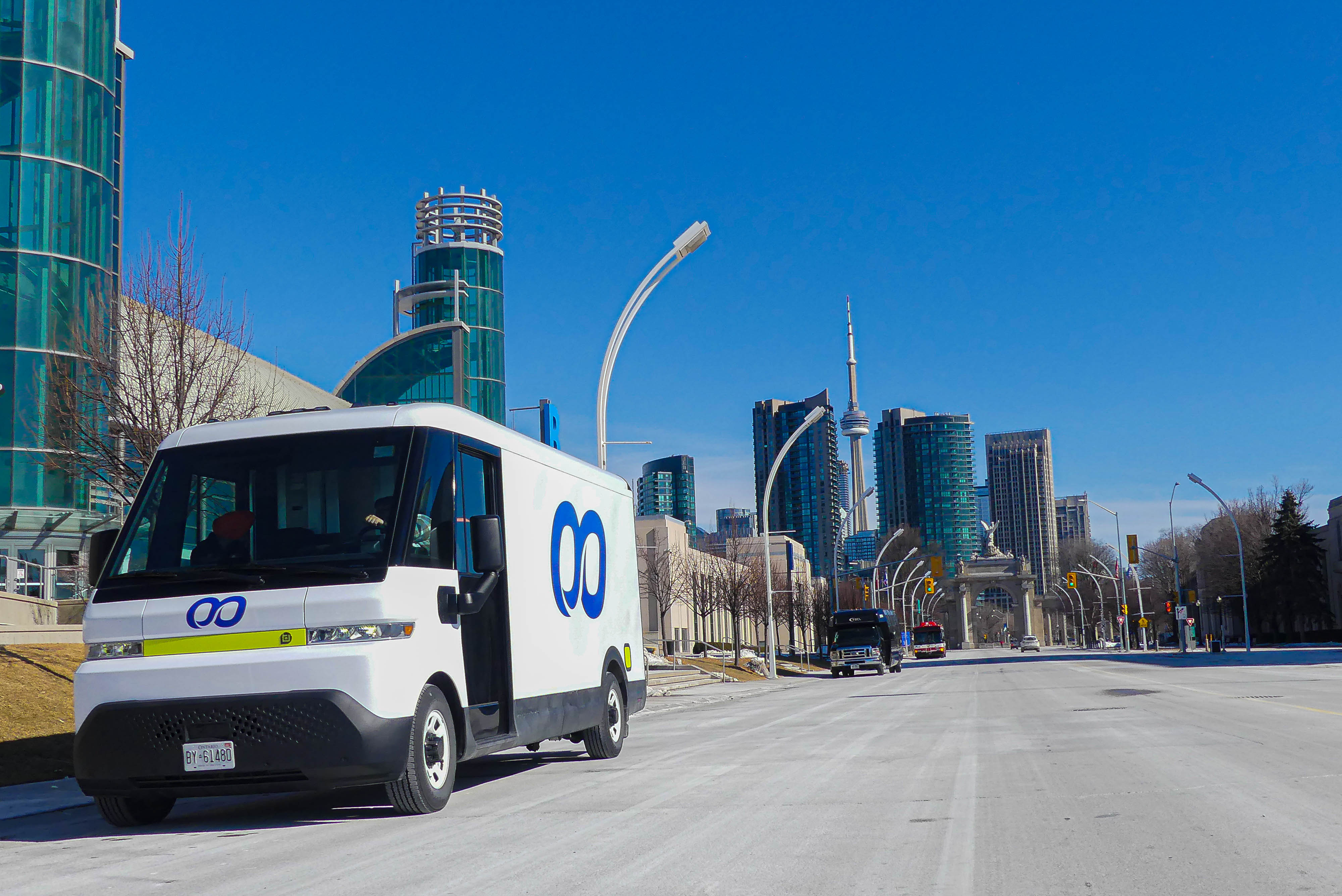
Koorier operates a 100% electric vehicle delivery fleet, which eliminates fuel consumption entirely for last-mile delivery legs handled directly by Koorier. This provides:
- Zero tailpipe emissions for local deliveries
- Lower energy cost per kilometer compared to gasoline vehicles
- Reduced exposure to fuel price volatility
- A greener delivery option for brands with sustainability goals
For e-commerce and retail brands, this means you can offer fast local delivery while significantly reducing the carbon footprint of your last mile.
Technology + EVs = Compound Efficiency Gains
Technology alone reduces wasted kilometers. EVs eliminate fuel consumption for the kilometers that remain. Together, these two levers create compound efficiency gains:
- Fewer total kilometers driven
- Lower cost per delivery
- Lower environmental impact per order
- More predictable operating costs over time
This combination allows courier services and retail delivery teams to improve margins and sustainability at the same time—without sacrificing delivery speed or customer experience.
Strengthen Your Fuel Consumption with Koorier
AI and route optimization are practical levers that reduce fuel use, lower operating costs, and shrink carbon emissions — often with fast payback. For courier services, the smartest investments combine routing, live re-routing, and operational orchestration so drivers spend less time on the road and more time delivering.
Request a shipping quote and ask how Koorier can help lower fuel costs across your delivery network.
Author & Authority
By Giovanna Freitas
Marketing specialist at Koorier
About Koorier
Koorier is a Canadian logistics technology company specializing in regional last-mile delivery networks and real-time delivery visibility for retailers and enterprises.
FAQs: AI & Fuel Consumption in Courier Services
How does AI reduce fuel consumption in courier services?
By optimizing routes, adapting to traffic, reducing failed deliveries, and increasing delivery density per route.
Do I need new vehicles to save fuel with AI?
No. Most fuel savings come from smarter routing and planning, not new vehicles.
Is AI route optimization useful for small courier fleets?
Yes. Small fleets benefit immediately from fewer miles driven and better route efficiency.
Does reducing fuel use slow down deliveries?
No. In most cases, optimized routes improve both speed and fuel efficiency.
Can AI help with sustainability goals?
Yes. Reducing miles driven directly lowers emissions and operating costs.

.png)