Updated February 2026
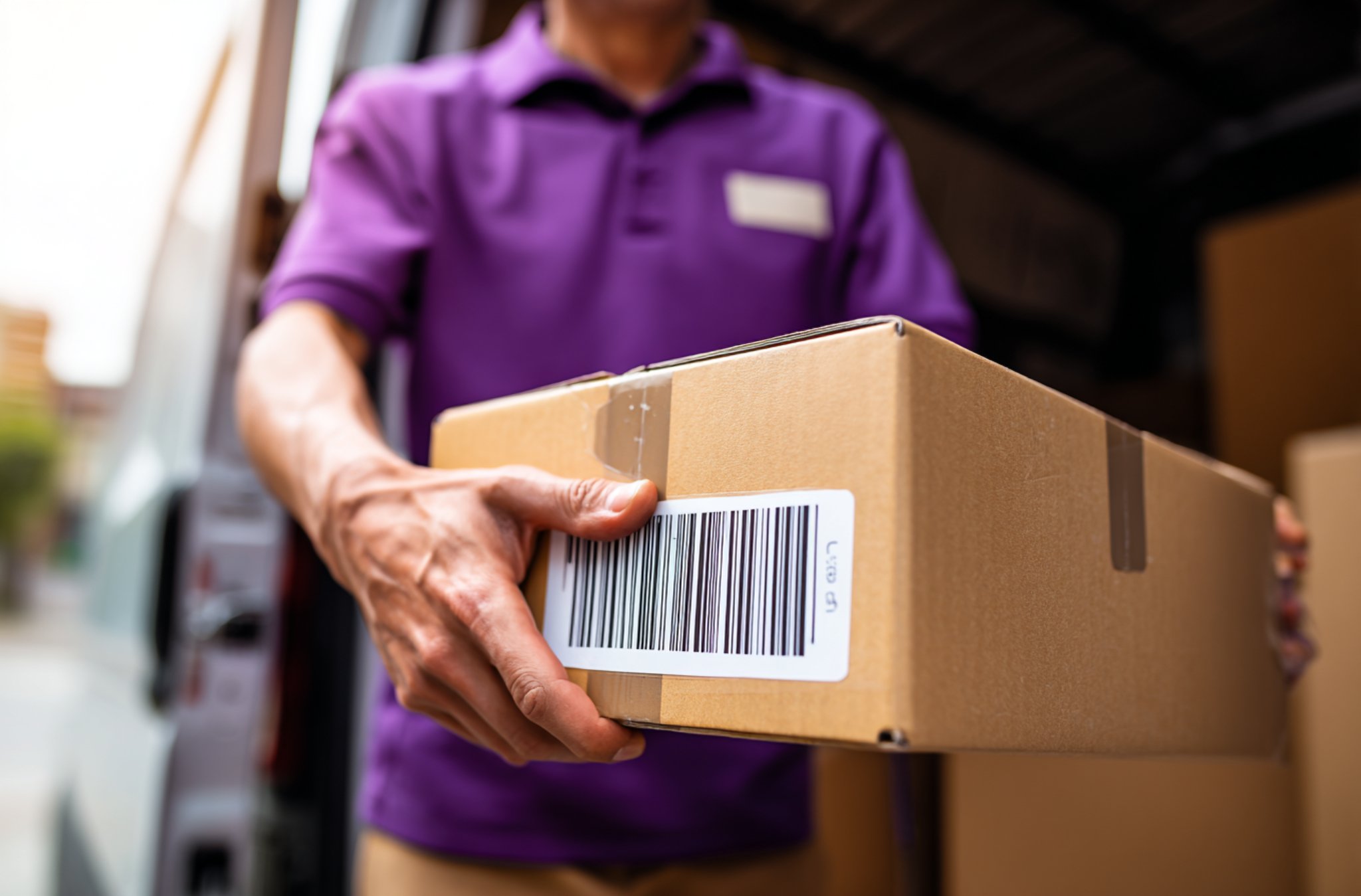
Last-mile delivery management software is the technology layer that plans, executes, and optimizes the final step of delivery—from the local hub to the customer’s doorstep. This “last mile” is often the most expensive and complex part of the supply chain, shaped by tight delivery windows, traffic, failed delivery attempts, and high customer expectations for speed and visibility.
For modern e-commerce and courier operations, last-mile software replaces manual dispatching and siloed tools with a single system that coordinates orders, routes, drivers, tracking, and proof of delivery in real time. Platforms like Koorier bring these pieces together so teams can deliver faster, more reliably, and at lower cost.
What Last-Mile Delivery Management Software Does
At a practical level, last-mile software orchestrates everything that happens after an order leaves the warehouse:
- Order intake & dispatch: Pulls orders from your OMS/WMS and assigns them to routes and drivers.
- Route planning & optimization: Builds efficient routes that respect time windows, capacities, and service times.
- Driver management: Pushes routes to driver apps with turn-by-turn navigation and stop sequences.
- Real-time tracking: Provides live ETAs and status updates to operations teams and customers.
- Proof of delivery (POD): Captures photos, signatures, geolocation, and timestamps to close the loop.
- Exception handling: Flags delays, missed recipients, and reattempts so teams can act immediately.
- Analytics & reporting: Turns delivery data into insights for continuous improvement.
How It Works (End-to-End Flow)
- Orders arrive from your e-commerce platform or ERP.
- Constraints are applied (time windows, vehicle capacity, service areas, priorities).
- Routes are optimized using algorithms that minimize time and distance while meeting SLAs.
- Drivers receive routes on mobile apps with live navigation.
- Real-time updates adjust routes for traffic, weather, or new orders.
- Proof of delivery is captured and synced back to your systems.
- Dashboards report performance (on-time rate, cost per stop, first-attempt success).
For the optimization piece, many modern systems are built on routing and network analysis techniques similar to those described in Google’s open-source routing tools (Google OR-Tools, 2024).
Why It Matters (Business Impact)
Lower delivery costs: Optimized routes reduce miles driven, fuel use, and overtime.
Higher on-time performance: Time-window planning improves SLA adherence.
Fewer failed attempts: Predictive ETAs and real-time re-routing cut missed deliveries.
Better customer experience: Live tracking and accurate ETAs reduce “Where is my order?” tickets.
Operational scalability: Automation lets teams handle peak volumes without adding dispatch headcount.
Sustainability gains: Shorter routes and fewer reattempts lower emissions.
IBM outlines how route optimization and real-time logistics visibility improve operational performance across last-mile networks (IBM, 2024).
Key Capabilities to Look For
How Koorier Supports Last-Mile Delivery
Koorier’s last-mile delivery management software is built for real-world complexity:
- AI-driven route planning that balances speed, cost, and reliability.
- Real-time orchestration to adapt routes as conditions change.
- Native proof of delivery with verified photos, geolocation, and timestamps.
- Customer visibility with accurate ETAs and proactive notifications.
- Multi-hub routing to dispatch orders from the closest inventory node, shrinking last-mile distance.
- Performance analytics to continuously improve first-attempt delivery success and cost per stop.
The result is a last-mile operation that’s faster, more predictable, and easier to scale—especially for same-day and time-windowed deliveries.
Common Pitfalls (and How to Avoid Them)
- Static daily routes: Use continuous re-optimization to reflect real-time reality.
- Poor address data: Validate addresses upstream to avoid wasted trips.
- Disconnected tools: Choose an integrated platform so routing, POD, and customer comms work together.
- No feedback loop: Use analytics to learn from outcomes and improve future routes.
Modernize Your Last Mile
If your team is juggling spreadsheets, static routes, and fragmented tracking tools, you’re paying more than you need to for last-mile delivery. Koorier’s last-mile delivery management software helps you plan smarter routes, adapt in real time, and deliver a better customer experience—without adding operational chaos.
Request a demo to see how you can reduce costs, boost on-time performance, and scale last-mile delivery in 2026 and beyond.
Author & Authority
By Giovanna Freitas
Marketing specialist at Koorier
About Koorier
Koorier is a Canadian logistics technology company specializing in regional last-mile delivery networks and real-time delivery visibility for retailers and enterprises.
Frequently Asked Questions (FAQ)
Q1: What’s the difference between last-mile delivery software and route planning software?
A: Route planning focuses on building efficient routes; last-mile delivery software covers the entire execution layer—dispatch, driver apps, tracking, proof of delivery, exceptions, and analytics.
Q2: Can last-mile software support same-day delivery?
A: Yes. With real-time routing, cut-off management, and live ETAs, last-mile platforms are essential for reliable same-day delivery operations.
Q3: Is last-mile delivery software only for large fleets?
A: No. Cloud platforms like Koorier scale from small fleets to enterprise operations without adding dispatcher overhead.

.png)