Updated February 2026
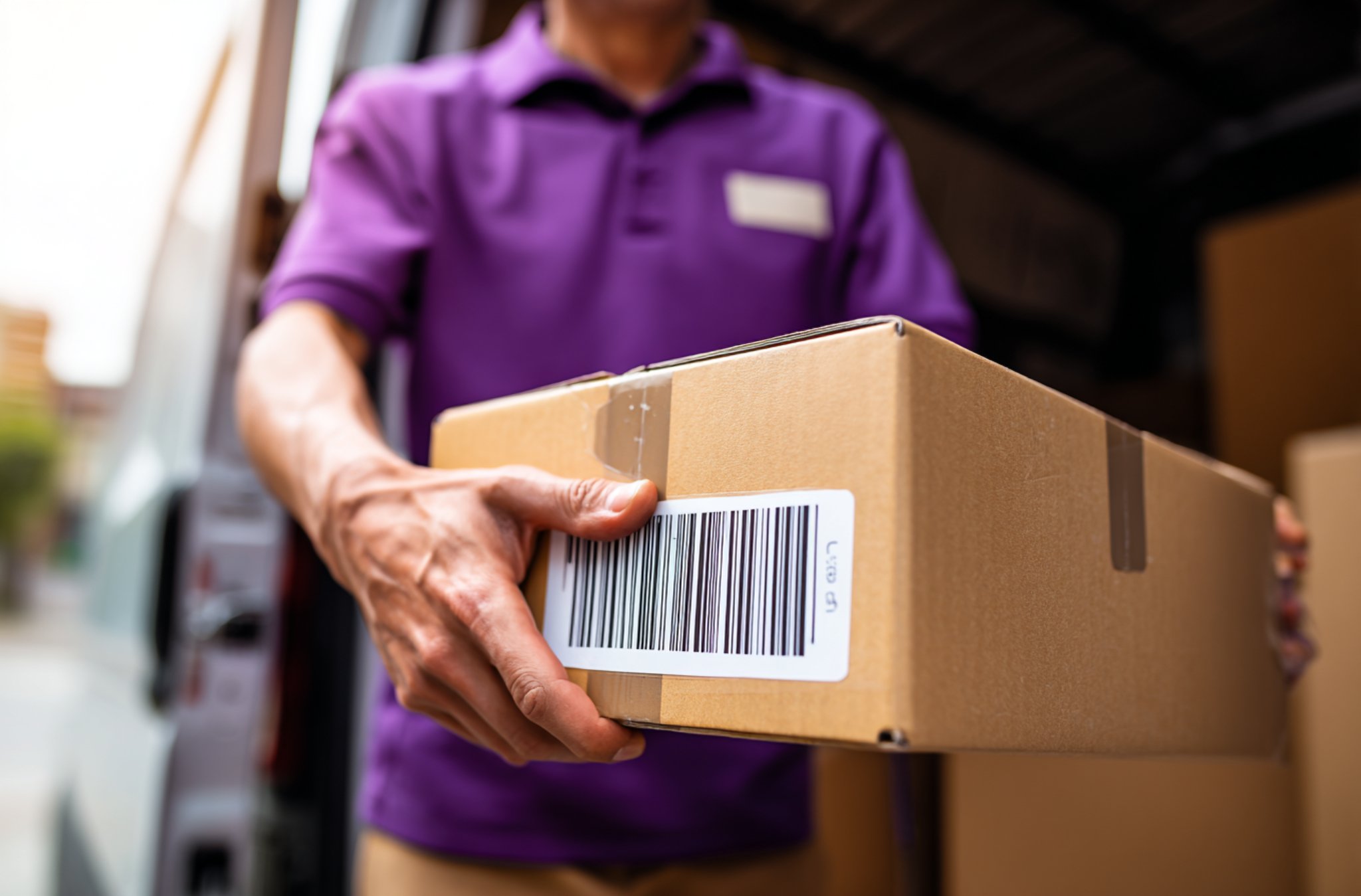
Last-mile delivery is the most expensive and operationally complex part of the shipping journey. For Canadian e-commerce and local delivery businesses, the challenge is constant: customers want faster delivery, but faster delivery almost always costs more. This tension—often called the last-mile cost–speed paradox—is exactly what Koorier’s delivery orchestration technology is designed to solve.
Logistics analysts consistently point out that last-mile delivery accounts for a disproportionate share of total delivery costs because of fuel, labor, failed attempts, and low drop density (Supply Chain Digital, 2025). At the same time, customer expectations for fast and reliable delivery continue to rise, making speed a competitive necessity rather than a luxury.
Why Speed and Cost Conflict in Last-Mile Delivery
Last-mile delivery refers to the final leg of a shipment from a local hub to the customer’s door. The cost–speed paradox exists because:
- Faster delivery often requires dedicated vehicles, priority routing, and smaller delivery batches, which increases cost per package.
- Slower delivery enables route consolidation and higher drop density, lowering cost—but risks customer dissatisfaction and lost sales.
This is the core tension Koorier addresses: helping businesses move faster without simply throwing more vehicles and drivers at the problem.
What Drives Last-Mile Delivery Costs Higher
Fuel and Labor Expenses
Driver wages and fuel remain the largest variable costs in courier operations. Rising fuel prices and tight labor markets put constant upward pressure on delivery pricing, especially in urban centres where stop-and-go traffic reduces fuel efficiency (Natural Resources Canada, Fuel Consumption Guide).
Low Drop Density and Route Inefficiency
Drop density—the number of deliveries per mile or per route—has a direct impact on cost per delivery. Scattered stops mean more drive time and fewer successful drops per hour, driving up cost.
Address Errors and Failed Deliveries
Each failed delivery attempt doubles fuel use, labor time, and customer service overhead. Industry reporting shows that failed first attempts are a major contributor to last-mile inefficiency and cost overruns (Supply Chain Digital, 2025).
Peak Season Demand Surges
Holiday and promotional spikes strain courier capacity, often forcing businesses to rely on premium rates or overflow carriers.
How Smart Route Optimization Reduces Costs Without Slowing Delivery
Koorier’s core advantage lies in intelligent route optimization—using real-time data to deliver more stops per route, faster.
Dynamic Traffic-Aware Routing
Routes adjust based on live traffic conditions to avoid congestion without adding unnecessary mileage.
Automated Multi-Stop Planning
Stops are sequenced to minimize backtracking and idle time, increasing deliveries per route and lowering cost per stop.
Real-Time Route Adjustments
When new orders, cancellations, or disruptions occur, routes rebalance dynamically instead of breaking the entire plan.
How Technology Creates Pricing Transparency in Last-Mile Logistics
One of the biggest pain points for shippers is unpredictable pricing. Koorier’s platform provides upfront visibility into how speed choices affect cost.
- Real-time rate visibility: See pricing before confirming orders
- Configurable speed tiers: Standard, express, or same-day options
- No hidden fees: Transparent surcharges
Pricing transparency is increasingly important as shippers demand better cost control in last-mile operations.
How Drop Density and Order Consolidation Lower Per-Delivery Costs
Grouping deliveries within the same geographic area increases route efficiency and lowers fuel and labor cost per package. Koorier’s batching logic helps businesses benefit from density-based pricing, especially for same-day or next-day urban delivery.
How Urban and Rural Delivery Affect Pricing Differently
Urban delivery benefits from density but suffers from congestion. Rural delivery faces long distances and low density, making speed more expensive. Koorier’s pricing reflects these realities transparently.
How Failed Deliveries Increase Costs (and How Koorier Prevents Them)
Proactive Customer Communication
Real-time delivery notifications improve first-attempt success.
Flexible Delivery Rescheduling
Recipients can reschedule before a failed attempt occurs.
Address Verification Before Dispatch
Catching address errors upstream prevents costly reattempts.
How Delivery Time Windows Balance Customer Expectations and Efficiency
Time-window optimization balances customer expectations with route efficiency:
- Wide windows: Lower cost, higher efficiency
- Narrow windows: Premium pricing, dedicated routing
This flexibility allows businesses to offer premium delivery selectively—where it actually drives value.
Key Metrics to Track Last-Mile Speed and Cost Performance
- Cost per delivery
- On-time delivery rate
- First-attempt success rate
- Route efficiency ratio
These metrics are surfaced in Koorier One to support continuous improvement.
How Peak Season Affects Last-Mile Pricing
Demand spikes strain capacity and raise rates. Koorier’s multi-carrier orchestration and advance planning help avoid last-minute premium pricing by flexing capacity intelligently.
A Practical Framework for Choosing Between Speed and Cost
- Assess customer expectations
- Analyze delivery geography and volume
- Configure speed–cost rules in Koorier One
- Monitor performance and adjust
How Koorier Optimizes Speed and Cost Through Koorier One and Kapp
Koorier balances speed and cost through tightly integrated execution:
- Koorier One: Centralized control for scheduling, pricing visibility, and performance tracking
- Kapp: Driver-facing app for consistent execution and real-time updates
- Multi-carrier orchestration: Automatically selects the best carrier based on speed–cost rules
Ready to optimize your delivery costs without sacrificing speed?
Request a shipping quote
Author & Authority
By Giovanna Freitas
Marketing specialist at Koorier
About Koorier
Koorier is a Canadian logistics technology company specializing in regional last-mile delivery networks and real-time delivery visibility for retailers and enterprises.
FAQs About Balancing Speed and Cost in Last-Mile Delivery
What is the average cost of last-mile delivery in Canada?
Costs vary widely by distance, density, and speed, but last-mile is typically the most expensive leg of shipping.
Can small businesses benefit from optimization?
Yes. Koorier’s platform gives small businesses access to the same routing intelligence as large enterprises.
How quickly can ROI be achieved?
Many businesses see efficiency gains within weeks, with compounding improvements over time.
Does same-day delivery cost more?
Yes. Same-day requires more dedicated resources, while standard delivery enables consolidation and lower cost.
How does Koorier handle disruptions?
Koorier dynamically re-routes, notifies recipients, and provides real-time visibility when delays occur.


.png)